


The cleaning industry never stands still. New tools, customer preferences, and green cleaning practices are transforming how cleaning businesses operate.
Staying ahead of these cleaning industry trends helps you remain competitive, meet customer needs, and operate efficiently.
To help you stand out and succeed, I’ve put together this guide on commercial and residential cleaning industry trends to watch for in 2026 and beyond.
Key Takeaways
- The American cleaning industry is growing rapidly. The United States already has more than 1.2 million cleaning companies and 3 million employees.
- Technology is one of the biggest drivers of trends in the cleaning industry, and specifically changes in automation, robotics, AI, mobile apps, and software.
- Other key trends in the cleaning industry include niche services, flexible cleaning, ongoing education, sustainability, and cleaning for health.
The State of the Cleaning Industry: Key Statistics and Insights
To get a sense of the industry as a whole, here are some key cleaning industry statistics and insights to know:
- In 2024, the global cleaning services market was estimated at $415.93 billion. It’s projected to grow to $616.98 billion by 2030.
- The US is the largest cleaning services market worldwide, worth nearly $134 billion in 2024, or 32% of the global market.
- Asia Pacific is the fastest-growing regional market. It’s expected to grow from about $102 billion in 2024 to almost $157 billion by 2030.
- Floor care is one of the most popular services in the cleaning industry. These services accounted for almost 31% of the market in 2024.
- Commercial cleaning services accounted for a market share of 27.51% in 2024, followed by sectors like hospitality, residential, and healthcare cleaning.
- Typical pay in 2024 for janitors and building cleaners in the US was $17.27 per hour ($35,930 per year).
- As of 2024, there are more than 1.2 million cleaning businesses in the US.
- The number of employees in cleaning occupations in the US grew to more than 3 million in 2024.
- As of 2024, 69.2% of employed full-time janitors and building cleaners in the US are male. Meanwhile, 86.7% of employed full-time maids and housekeeping workers in the US are female.
- The cleaning robot market is estimated at $5.98 billion in 2024. It’s projected to more than triple in size to $21.01 billion by 2030.
8 Cleaning Industry Trends to Watch in 2026
Here are some of the most important cleaning industry trends to keep in mind this year and beyond:
-
AI, automation, and robotics
-
The Internet of Things (IoT)
- Track restroom supply levels with smart dispensers or low-supply sensors, so you get an alert when soap, paper towels, or toilet paper are running low.
- Monitor HVAC and air quality with connected sensors that track things like humidity, dust, or CO₂, so you can spot issues early and avoid complaints.
- Track equipment wear and tear with sensor tags that measure run-time or vibration on machines like floor scrubbers and vacuums, so you know when maintenance is needed.
- Monitor foot traffic and room use with sensors that count how many people enter an area, helping you see which restrooms, lobbies, or hallways need extra cleaning during busy hours.
- Track garbage and recycling fill levels with smart bin sensors, so teams empty the bins that are actually close to full.
- Monitor cleanliness levels using smart area sensors or quick digital audits, which flag when a space needs attention to meet the required standard.
-
Mobile apps and workforce management software
-
Green cleaning and sustainability
-
Cleaning for health and safety
-
Niche and specialized cleaning services
-
Personalized cleaning services
- Flexible scheduling that lets your customers choose exactly when they want you to clean their home.
- Customizable cleaning packages or add-ons like deep carpet cleaning, window cleaning, or pressure washing.
- Health- and lifestyle-based cleaning options like allergy-friendly cleaning, pet-safe products, baby-safe products, or fragrance-free homes.
- Subscription cleaning services so your customers can enjoy regular cleanings without the need for scheduling. (This is a win-win: Your customers’ spaces are consistently clean, and you get a source of recurring revenue.)
- Seasonal packages, like spring cleaning or winter prep. These can include jobs people only need a few times a year, such as decluttering, deep-cleaning appliances and baseboards, clearing gutters or chimneys, and cleaning windows, dryer vents, or furnaces.
-
Digital training for cleaning companies
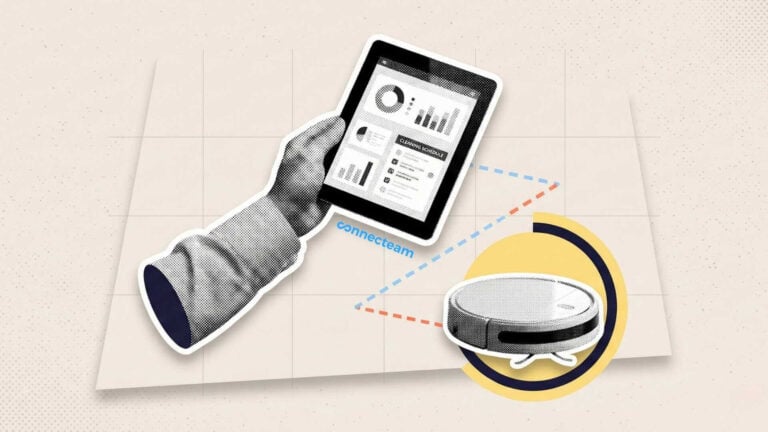
The future of cleaning is being shaped by smart technologies that help teams work faster, with better results and less wasted effort. More cleaning businesses are now using AI, automation, and robotics to handle repetitive or time-consuming tasks on their cleaning services checklists.
Robotic vacuums and scrubbers are already common in airports, malls, and hospitals, reducing labor and cleaning large areas with precision.
At the same time, AI tools are improving the back-office side of cleaning. They can help with smarter dispatching, route planning, and quality tracking. Workflow automation also cuts down on manual admin, from time logging to task updates.
These technologies won’t replace human cleaners, but they help support your team by reducing physical strain, keeping work consistent, and freeing cleaners to focus on the detailed jobs customers notice most.
Pro Tip
Connecteam’s AI Auto-Scheduling can build your shifts in one click based on availability and qualifications, cutting back-office scheduling time fast.
The Internet of Things (IoT) refers to connected devices with built-in sensors that collect and share data in real time. In commercial cleaning, IoT is helping teams shift from fixed routines to smarter, needs-based cleaning that responds to how a space is actually used.
IoT-enabled devices can support cleaning companies in many practical ways. For example, they can:
Today, many cleaning businesses use mobile apps to run daily work, and more are deciding to use them every day. In fact, the market for cleaning service software is expected to grow to nearly $2.5 billion in 2030, as these tools become the norm in the industry. If you want to stay competitive in 2026, it’s worth using them too.
Whether you’re just starting a cleaning company or have been running it for years, the right software can help you manage every part of your business.
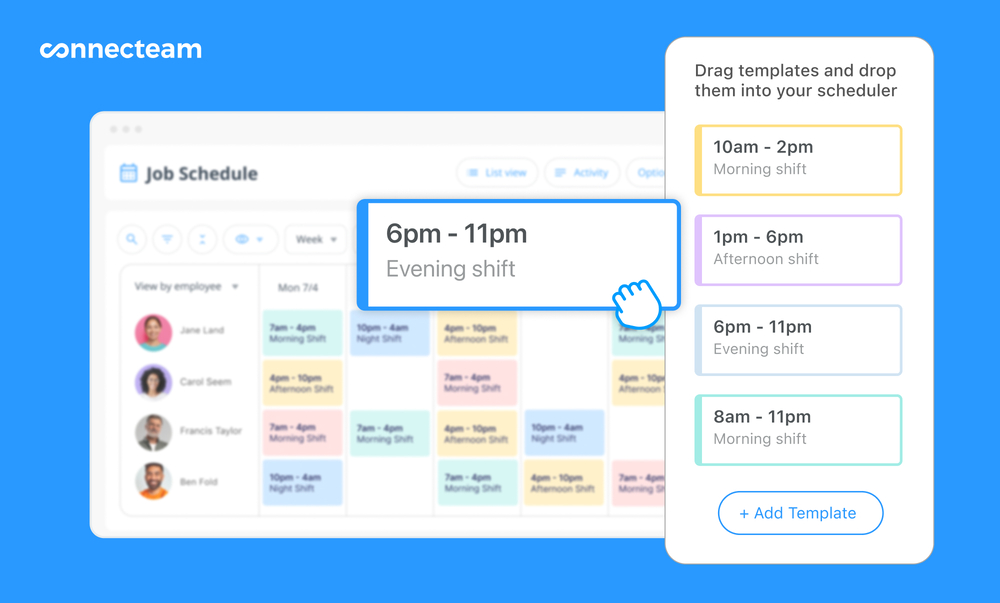
A cleaning services app like Connecteam makes it easy to create and share schedules, log working hours, instantly communicate with your cleaners, track jobs and tasks in real time, and more. Plus, mobile apps ensure your cleaners always have access to the information they need to do their job, no matter where or when they’re working.
Cleaning companies are now putting more focus on green cleaning and sustainability by buying eco-friendly cleaning products, reducing waste, using energy-efficient equipment and tools, and using less water.
Research shows that today’s consumers really care about eco-friendliness and are willing to spend more with sustainable companies. Plus, sustainability could help you land more cleaning service contracts, as some may require that you use eco-friendly cleaning products and chemicals.
For example, in 2024, the General Services Administration (GSA) and Environmental Protection Agency (EPA) updated the GSA’s custodial rules, requiring that all cleaning products bought for federal buildings be free from perfluoroalkyl and polyfluoroalkyl substances (PFAS), also known as “forever chemicals.”
This Might Interest You
Making your cleaning company more sustainable is just one way to attract more customers. Check out Connecteam’s guide to discover other ways to grow your cleaning company’s client base.
Cleaning for true cleanliness—not just visual tidiness—is one of today’s biggest commercial cleaning industry trends. In fact, today “businesses expect cleaning that goes beyond appearances to focus on disinfection,” as Tim Conn, the President and Co-Founder of Image One USA, tells Connecteam.
Niche and specialized cleaning is one of the fastest-growing areas in the industry. Finding the right niche can help your business stand out and win better jobs. As Vance Morris, Owner of Eastern Shore Carpet Cleaning, tells Connecteam that “really anything specialized” is experiencing the most growth in the cleaning industry. He points to “medical cleaning, disinfection, and data center cleaning” as strong examples.
If you’re thinking about starting a cleaning business or moving into a specific niche, it’s a good sign that even lenders are seeing more activity in these areas. “Within the lending side, we have experienced an increase in niche cleaning categories such as medical, post-construction, and short-term rental turnover” space, says Jeffrey Hensel, Broker Associate at North Coast Financial.
Finding and serving these specialized markets is a great way to set your business apart. Specializing gives you a clear market edge and a simple reason clients pick you over a general cleaner. It also builds trust, because customers feel safer hiring someone who handles their type of job all the time and knows the right standards and tools. Beyond that, niche services are often among the most profitable cleaning business models, due to the unique equipment and skills needed.
This Might Interest You
To learn more about specializations in cleaning, explore Connecteam’s guide on niche businesses that need cleaning services.
Similar to specialized services, personalized cleaning services are also taking off. This is because people “want services tailored to their schedules and budgets,” says Tim Conn.
So, no matter what sort of cleaning business idea you have or type of company you run, ensure your services don’t feel one-size-fits-all. Some ideas for personalizations include:
Training in cleaning has to be quick and practical. Most training for cleaning staff happens on the job, so cleaners need to get up to speed fast. Learning often happens before a shift, between sites, or the first time they handle a new task.
That’s why digital training is growing in 2026. New cleaning software like Connecteam makes it easier to train in a way that actually fits how cleaning teams work.
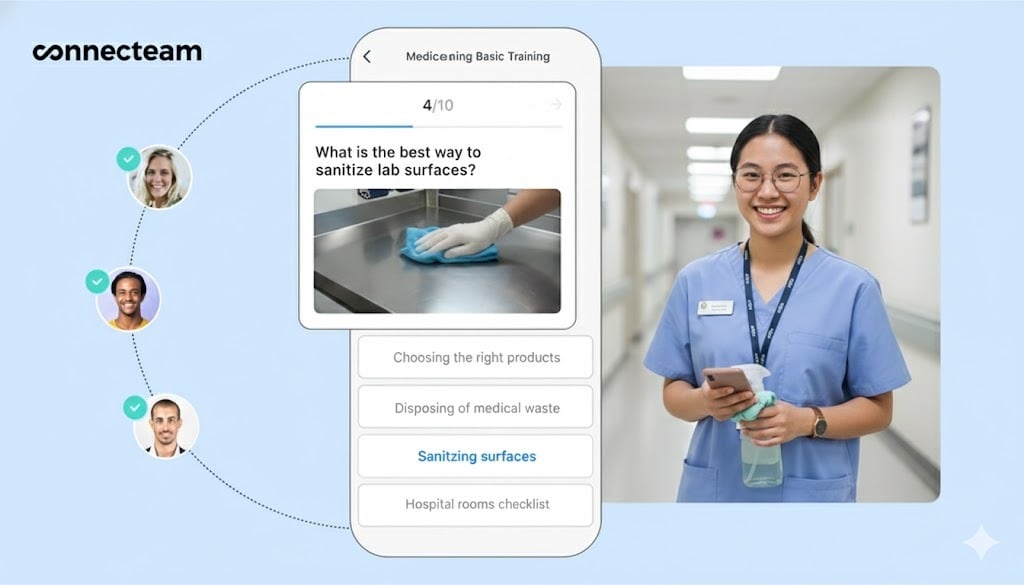
With Connecteam, you don’t need long courses or classroom sessions. You don’t need to hand workers big manuals in a language they may not feel comfortable with, and that they forget later. Instead, you can create short, bite-size lessons that focus only on what matters for the job.
For example, you can record a quick 2–3 minute video, add a simple checklist, and send it right before a cleaner starts a new task. They get the exact information they need, at the exact time they need it, and you can track who viewed it and how they’re doing.
Did You Know?
Training is one of the best investments you can make in your team. Research consistently shows that training helps employees work faster, make fewer mistakes, and stay with your company longer.
FAQs
It’s important to stay updated on cleaning industry trends because doing so helps you improve efficiency, meet evolving customer needs, and remain competitive.
Some potential emerging challenges for cleaning businesses include rising operational costs, integrating new technologies, increased customer standards and expectations, and the high turnover rate in the industry.
Cleaning industry trends are often driven by technological advancements, changing customer preferences or expectations, hygiene/cleanliness standards, and the demand for sustainable products and practices.
Train cleaners with short, hands-on lessons given on the job, with quick videos, simple checklists, and clear task steps they can use right before or during a shift. Connecteam is built for this style of training, so you can create bite-size lessons in minutes, send them to phones instantly, and track who’s completed them.
Cleaning software helps you run daily operations in one place — scheduling jobs, tracking hours, assigning tasks, and keeping your team and customers updated. Connecteam brings all of that into one simple mobile app, so you can manage the business from your phone instead of juggling texts, paper, and spreadsheets./
In 2026, the biggest trends in cleaning include IoT sensors, green cleaning, niche and specialized services, mobile apps for managing teams, and fast digital training.
For most cleaning companies, the best AI tool is one that cuts back-office time, especially scheduling. Connecteam’s AI Auto-Scheduling builds shifts in one click based on availability and qualifications, making it a strong fit for cleaning teams.
Disclaimer
This article is for general informational and educational purposes only. It is not intended as and does not constitute business, financial, or professional advice, and should not be relied upon as such. Connecteam accepts no responsibility for consequences arising from actions taken or not taken based on the information present in this article.