


Cleaning jobs come in many forms. Some focus on homes, others take care of whole buildings, and some handle tough, high-risk work like mold or biohazards, often earning higher pay but needing extra training.
This guide covers the main duties and typical U.S. salaries for 10 common cleaning jobs—so whether you’re starting a cleaning business, growing your team, or looking for work, you can quickly compare your options.
Key Takeaways
- Jobs in the cleaning industry can be categorized into entry-level, specialist/advanced, and supervisory roles.
- Entry-level positions are great for beginners who start working right away.
- Specialized and advanced roles are for experienced cleaners who do specific kinds of cleaning. These jobs often require extra training, certifications, and may involve working in higher-risk places.
Entry-level cleaning jobs
Entry-level positions require minimal training and qualifications, making them ideal for people who are new to cleaning and want to start working right away.
Here are 5 entry-level cleaning jobs, their duties, and estimated salaries (which are based on average U.S. pay data from ZipRecruiter and Indeed):
Residential/house cleaner
Residential cleaners perform general tasks to keep private homes and apartments clean. They can work as independent contractors or as part of a cleaning agency.
What do house cleaners do?
House cleaner duties include:
- Dusting, vacuuming, and mopping rooms.
- Cleaning bathrooms, kitchens, and common areas.
- Disinfecting frequently touched surfaces like handles and switches.
- Changing linens and making beds.
- Emptying trash bins and restocking supplies.
- Communicating with clients about specific cleaning needs.
How much do house cleaners make?
House cleaners make $17–$20 per hour, averaging $35,000–$49,000 a year.
Janitor/custodian
A janitor or custodian maintains schools, hospitals, small offices, or public buildings. Many custodians work after school or after office hours to prepare the facilities for the next day.
What do janitors and custodians do?
Janitor and custodian duties include:
- Sweeping, mopping, and buffing floors.
- Cleaning and sanitizing restrooms and locker rooms.
- Emptying trash cans and replacing liners.
- Washing windows, doors, and surfaces.
- Refilling soap dispensers and paper products.
- Locking up buildings and securing facilities after hours.
- Reporting maintenance or repair needs to supervisors.
How much do janitors and custodians make?
The average salary for a custodian is $16 an hour or about $33,000 per year.
Housekeeping attendant
A housekeeper or room attendant cleans the rooms, lobbies, hallways, and other public areas in hotels and other lodging establishments.
What do housekeeping attendants do?
A housekeeper’s duties include:
- Cleaning and preparing guest rooms daily.
- Changing bed linens and replacing towels.
- Vacuuming carpets and polishing furniture.
- Restocking amenities (toiletries, coffee, water).
- Sanitizing bathrooms and checking for maintenance issues.
- Reporting lost items and damages to management.
- Maintaining cleanliness in hallways and common areas.
How much do housekeeping attendants make?
The average annual pay for a housekeeper or room attendant is around $31,000–$36,000.
Pro Tip
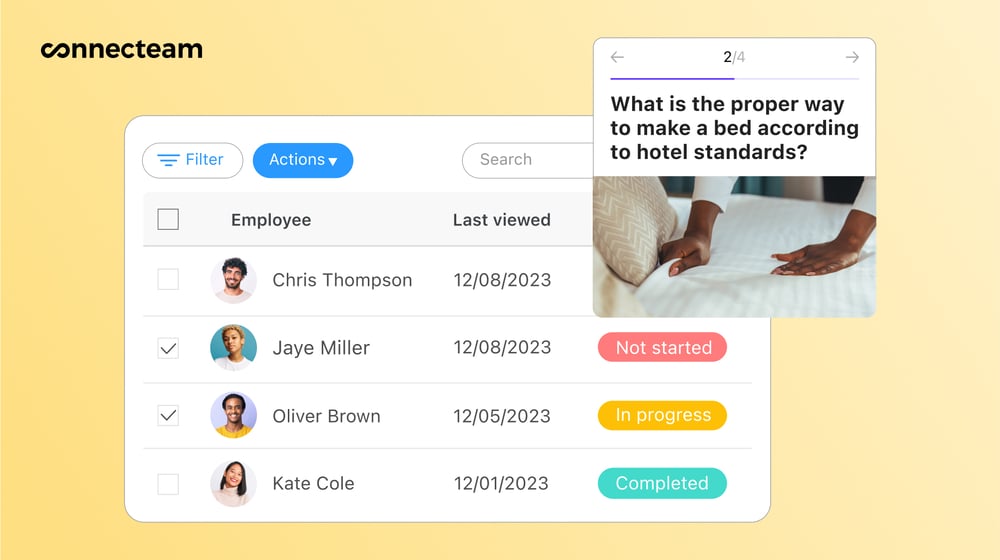
If you’re a business owner, hiring for entry-level roles is an affordable way to grow your company and train junior cleaners according to your standards. You can use the Connecteam employee training app to quickly create short, step-by-step training lessons with ready-made templates that your cleaners can do on the go.
Office/commercial cleaner
A commercial cleaner or office cleaner maintains workplaces, retail spaces, and corporate offices. They can work as independent contractors in a cleaning crew or as part of a commercial cleaning business.
What do commercial cleaners do?
A commercial cleaner’s tasks involve:
- Vacuuming carpets and cleaning workstations after hours.
- Emptying office trash and recycling bins.
- Cleaning breakrooms, kitchens, and restrooms.
- Restocking paper towels, soap, and cleaning products.
- Following security procedures while working in client offices.
How much do commercial or office cleaners make?
Commercial cleaners make an average of $15/hour or about $30,000/year.
Laundry attendant
Laundry attendants work in places like hotels, hospitals, and industrial laundries, where they clean large volumes of uniforms, linens, and other fabrics.
What do laundry attendants do?
Laundry attendant duties include:
- Operating washing machines, dryers, and ironing equipment.
- Sorting linens and separating items by color and fabric type.
- Inspecting fabrics for stains or damage.
- Treating stains using the right cleaning products.
- Folding, pressing, and packaging cleaned linens.
- Keeping the laundry area and equipment clean.
How much do laundry attendants make?
Laundry attendants make an average of $30,000 per year.
Did You Know?
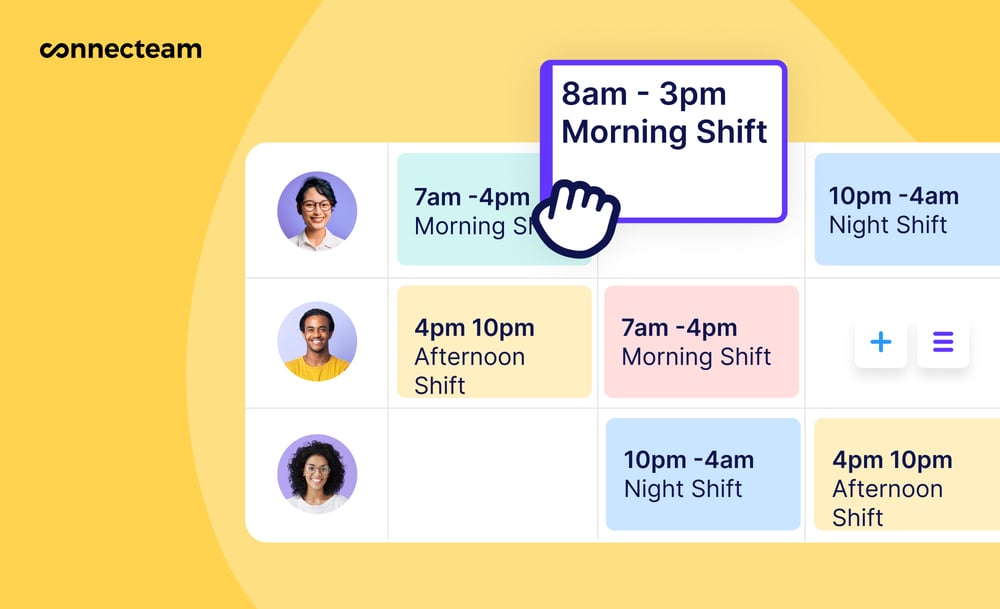
If you employ cleaners, you’ll benefit from a cleaning services app like Connecteam. It lets managers and business owners track and manage operations across different work sites. You can assign schedules, create custom forms and checklists to ensure quality cleaning, and so much more.
Specialist and Advanced Cleaning Jobs
Experienced cleaners can specialize in various types of cleaning services. They can work independently or as part of specialist or commercial cleaning companies.
These roles require certifications and expertise in specific cleaning tools or particular work environments.
Specialist cleaners help cleaning service businesses deliver premium services to clients and generate higher cleaning business profits.
Here are some well-known specialist cleaning jobs:
Carpet cleaning technician
Carpet and furniture cleaning technicians deep clean fabric surfaces using professional equipment and cleaning solutions. They’re trained in chemical handling, machine operation, and stain identification.
What do carpet cleaning technicians do?
Carpet cleaner duties include:
- Inspecting carpets and upholstery for stains and damage.
- Operating steam cleaners, wet vacuums, and dryers.
- Applying cleaning chemicals and stain removers safely.
- Moving and putting back furniture.
- Treating carpets to reduce odors and sanitize them.
- Advising clients on carpet maintenance and stain prevention.
How much do carpet cleaning technicians make?
Carpet-cleaning technicians in the U.S. earn an average hourly wage of $20. Experts charging premium rates can earn even more.
Did You Know?
Cleaners can earn additional certifications, such as the Carpet Cleaning Technician certificate, to prove their expertise and charge premium rates.
Biohazard cleaner
Biohazard cleaners clean and dispose of dangerous and biological materials. Examples include crime scene cleaners, who sanitize areas after crimes or accidents, and hazmat cleanup specialists, who remove toxic waste, chemicals, and other hazardous materials.
These positions require training and certification, such as HAZWOPER certification by the Occupational Safety and Health Administration (OSHA) and training in the Hazardous Materials Regulations (HMR) by the U.S. Department of Transportation (DOT).
Did You Know?
Connecteam lets cleaning business owners store their employees’ certifications, set expiration dates, and get alerts when certifications must be renewed.
What do biohazard cleaners do?
The duties of a biohazard cleaner can include:
- Cleaning and disinfecting areas affected by blood or bodily fluids.
- Safely handling and disposing of biohazard and toxic waste.
- Using Personal Protective Equipment (PPE), like gloves, respirators, and safety suits.
- Removing contaminated materials and furniture.
- Deodorizing and sanitizing affected areas thoroughly.
- Following OSHA, EPA, and local health regulations.
- Maintaining confidentiality and professionalism at trauma scenes.
How much do biohazard cleaners make?
Pay for biohazard cleaners varies by role. For example, most hazmat cleanup specialists earn about $40,000–$60,000 per year, while crime scene cleaners usually make around $28,000–$40,000 a year, plus extra pay for overtime and on-call shifts.
Mold remediation specialist
Mold remediation (mold cleanup) specialists identify and remove mold issues in homes and businesses. This role requires training and certification in environmental safety, moisture control, and more.
These specialists usually work with restoration companies or with property managers and insurance providers.
What do mold remediation specialists do?
A mold remediation specialist’s tasks include:
- Inspecting properties for mold growth and signs of water leaks.
- Sealing off work areas to prevent mold spores from spreading.
- Using HEPA vacuums and air scrubbers for cleaning.
- Applying antimicrobial treatments to surfaces.
- Removing contaminated drywall or materials.
- Documenting cleanup progress and testing results.
- Teaching clients how to prevent moisture problems and keep air quality safe.
How much do mold remediation specialists make?
The pay range for a mold remediation specialist is $33,000–$80,000+ per year.
High-rise window cleaner
High-rise window cleaners wash the exteriors of tall buildings, including skyscrapers, often using ropes and scaffolds. Since it’s a risky job, cleaners must be trained in rope access, wind conditions, height safety, and other technical procedures to perform their work safely.
What do high-rise window cleaners do?
High-rise window cleaners perform tasks like:
- Operating rope access systems, scaffolds, or lifts.
- Washing and wiping exterior building windows.
- Cleaning frames, ledges, and building surfaces.
- Inspecting safety harnesses, anchors, and ropes before each job.
- Working with partners to ensure secure setups.
- Reporting building damage or safety hazards.
- Maintaining cleaning tools and solution mixtures.
How much do high-rise window cleaners make?
The annual salary for a high-rise window cleaner can range from $35,000–$50,000. Pay rates vary greatly and can be higher than average cleaning jobs, depending on the state.
Cleaning supervisor/manager
Supervisors and managers at different cleaning businesses coordinate cleaning operations by supervising staff, training new hires, managing schedules, and ensuring service quality meets industry-specific standards.
Hospital cleaning supervisors, building custodial supervisors, and commercial cleaning managers are standard examples of supervisor roles in the cleaning industry.
What do cleaning supervisors and managers do?
The duties of a cleaning manager change depending on the specific position, but they include:
- Supervising and training cleaning staff.
- Scheduling shifts and assigning cleaning tasks.
- Inspecting work quality and making sure standards are met.
- Communicating with clients about their needs and concerns.
- Managing budgets, payroll, and supply inventory.
- Overseeing safety standards and team performance.
- Finding new clients and helping the business grow.
How much do cleaning supervisors and managers make?
The salaries of supervisors and managers vary depending on the type of cleaning business and specific roles. The overall base pay range for a supervisor role in most cleaning fields is about $32,000–$50,000 per year, while supervisors in specialist fields (like hazmat or mold) can earn up to around $80,000 per year.
Did You Know?
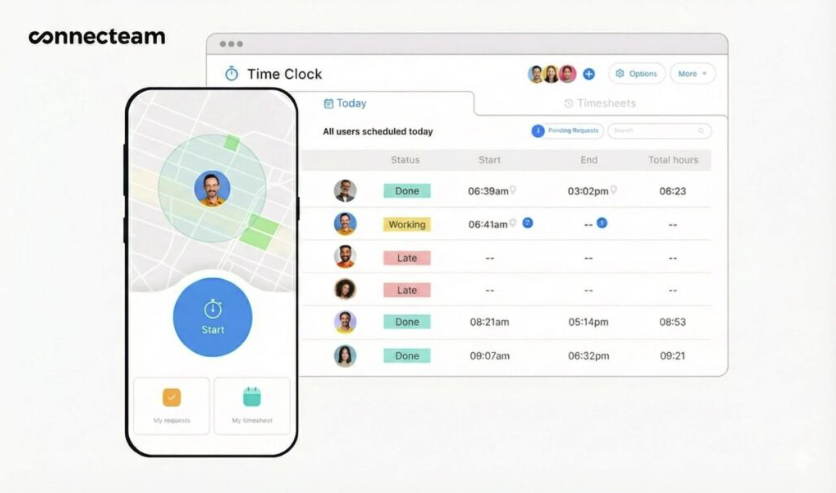
Supervisors/managers using Connecteam can see which crew members are on site, who’s running late, and how tasks are progressing, right from their phones. They can also instantly message cleaning staff, update schedules, and more.
FAQs
Specialized cleaning services, like biohazard cleaning, high-rise window cleaning, and mold remediation, pay the most. Management and supervisor roles also get higher pay.
There are 30+ types of cleaning services across residential, commercial, and specialized cleaning. Common examples include housekeeping, office cleaning, waste disposal, and laundry services.
The hourly pay for a cleaner depends on the type of cleaning and the cleaner’s level of expertise. For instance, the average pay for a house cleaner in the U.S. is $17–$20/hour.
Janitors and custodians keep buildings safe, clean, and ready for use. Their duties often include sweeping and mopping floors, cleaning restrooms, emptying trash, refilling supplies, and locking up after hours.
Start by looking at the job type, time needed, supplies, and travel. Specialist jobs usually cost more because of safety gear, training, and risk. For a step-by-step pricing guide and real examples, see our guide on how much to charge for cleaning services.
The easiest way is to use short, step-by-step training that workers can do on their phones. With Connecteam’s employee training app, you can create simple lessons from ready-made templates, add photos or videos, and track who finished the training.
Managers need tools to see attendance, track progress, and fix issues fast. Connecteam lets supervisors see who clocked in, who’s late, and where teams are working, then message staff, update schedules, and send checklists—all from one app.
Disclaimer
This article is for general informational and educational purposes only. It is not intended as and does not constitute business, financial, or professional advice, and should not be relied upon as such. Connecteam accepts no responsibility for consequences arising from actions taken or not taken based on the information present in this article.